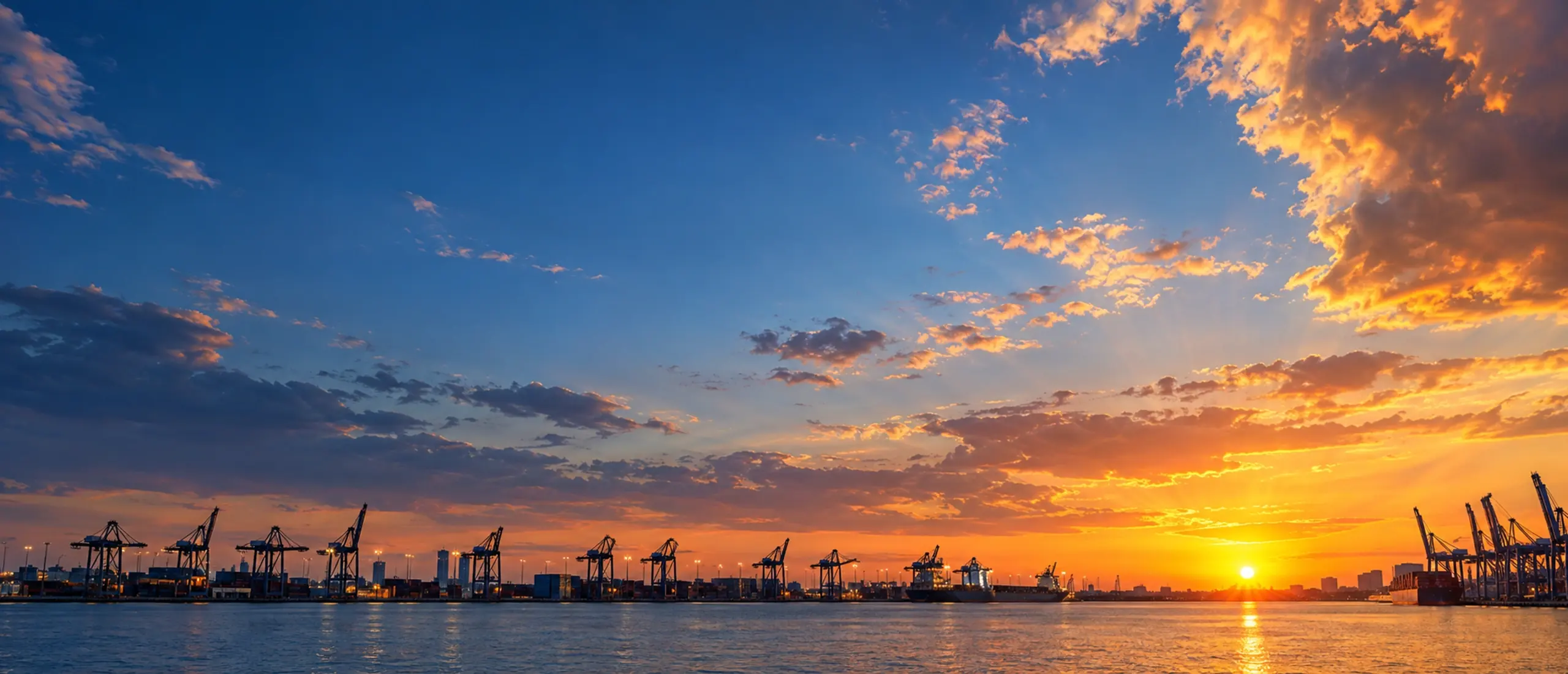
Top Ports for Texas-Bound Imports
Texas is the second-largest state economy in the US and one of the nation's biggest importers. Choosing the right port for your Texas-bound freight can save thousands in drayage, transit time, and demurrage costs.
Port of Houston
The Port of Houston is the premier gateway for Texas imports and the largest port in the Gulf region.
| Metric | Detail |
|---|---|
| Container Volume | 4.2M+ TEUs annually |
| Top Imports | Machinery, chemicals, consumer goods |
| Drayage Zone | Houston metro, DFW, San Antonio, Austin |
| Rail Connections | BNSF, Union Pacific |
| Avg Drayage Cost | $350–$650 (Houston metro) |
Advantages:
- Direct access to Texas inland markets
- Competitive drayage rates within Houston
- Major distribution center clusters nearby
- Growing container terminal capacity
Port of Laredo (Land Port)
As the largest land port on the US-Mexico border, Laredo handles over 40% of all US-Mexico trade.
| Metric | Detail |
|---|---|
| Trade Volume | $250B+ annually |
| Top Imports | Auto parts, produce, electronics |
| Key Corridors | I-35 (Laredo to DFW/Austin/San Antonio) |
| Customs Processing | CBP, FDA, USDA on-site |
Port of Los Angeles / Long Beach
For Asian imports destined for Texas, LA/LB remains competitive via intermodal rail.
| Route | Transit | Method |
|---|---|---|
| LA → Dallas | 3–4 days | Rail (BNSF) |
| LA → Houston | 4–5 days | Rail (UP) |
| LA → San Antonio | 3–4 days | Rail (UP) |
When to use LA/LB over Houston:
- Direct vessel service from Asia with better transit times
- Lower ocean freight rates on certain trades
- Intermodal rail rates competitive with all-water routing
Port of Savannah
Savannah offers all-water routing from Asia via the Suez Canal and serves Texas via rail.
| Route | Transit | Method |
|---|---|---|
| Savannah → Dallas | 3–4 days | Rail (Norfolk Southern) |
| Savannah → Houston | 4–5 days | Rail/Truck |
Choosing the Right Port
Consider these factors when selecting your import port:
- Origin of goods — Asian goods may favor LA/LB; European goods favor Houston or East Coast
- Final destination — Houston metro? Use Houston. DFW? Consider LA intermodal
- Volume — High-volume importers benefit from Houston's proximity
- Speed — All-water to Houston vs. intermodal from West Coast
- Cost — Compare total landed cost including ocean, drayage, and inland transport
Drayage Considerations
Working with an experienced drayage provider is critical for Texas imports. Key factors include:
- Chassis availability at Houston terminals
- Appointment scheduling to avoid congestion
- Demurrage management at busy terminals
- TWIC-certified drivers for port access
The Bottom Line
For most Texas importers, the Port of Houston offers the best combination of proximity, capacity, and cost. For Asian imports to DFW, intermodal from LA/LB is highly competitive.
Planning Texas imports? Contact Indray Inc for optimized routing and competitive drayage rates.